Photo Essay: Today Was A Good Day - A Visit with Peter Korn
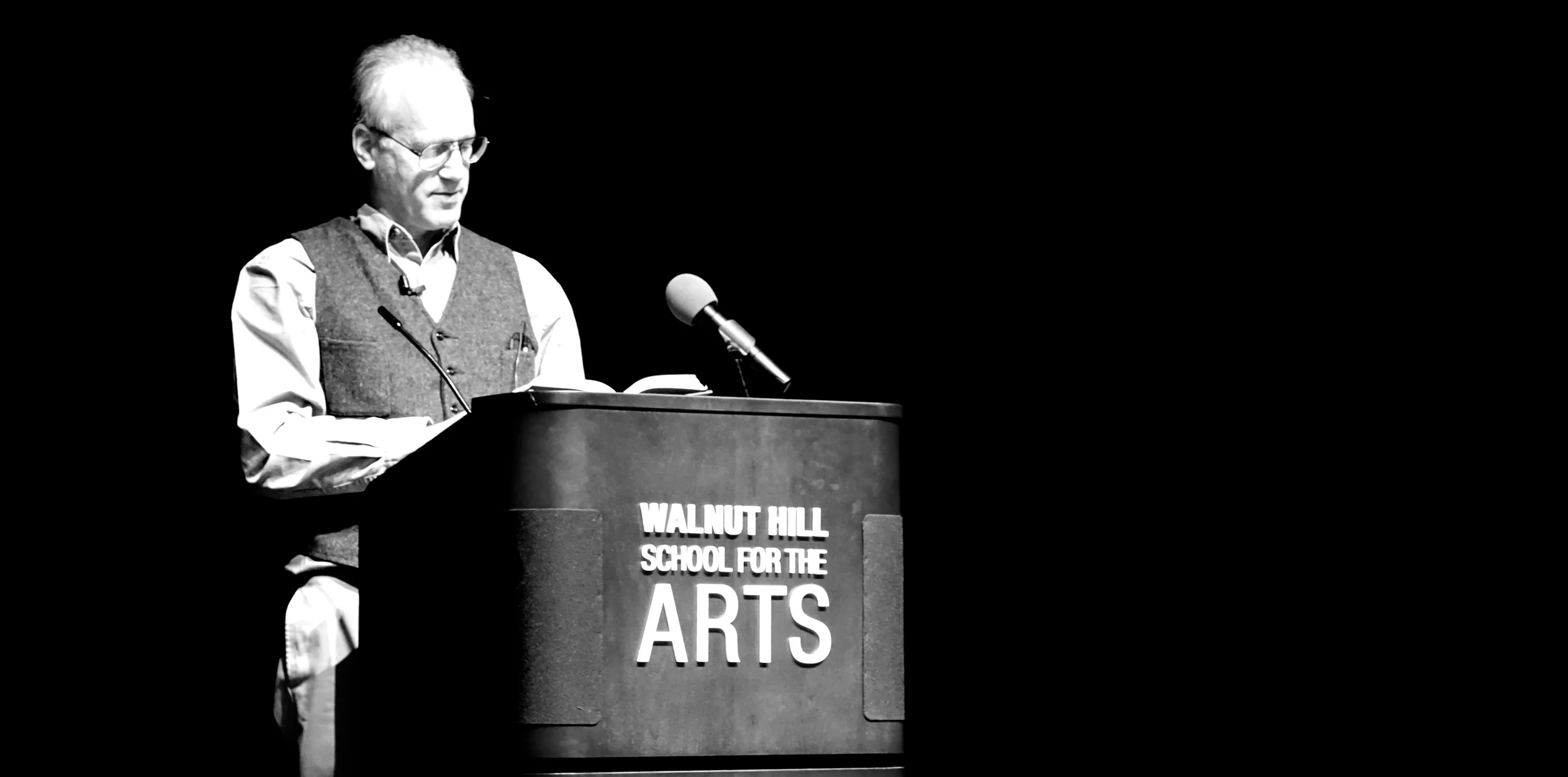
Back in May of 2014 I happened to wander into the Wellesley Book Shop to look for a book I could take on an upcoming trip I was making on behalf of Walnut Hill. After perusing the isles for a few minutes, I gravitated to the arts section and found Peter Korn's book "Why We Make Things and Why it Matters : The Education of a Craftsman" and decided it would make a good read for the roundtrip flight. A little background on Peter, he is the founder and Executive Director of the Center for Furniture Craftsmanship, a non-profit woodworking and design school in Rockport, Maine. A furniture maker since 1974, his work has been exhibited nationally in galleries and museums. Born in 1951, Peter grew up in Philadelphia, where he attended Germantown Friends School. He majored in history at the University of Pennsylvania. There is more information available at his website www.peterkorn.com.
Peter's book is a deeply moving and philosophical view of how we live a creative life in a modern world. He states early on that the "effort to bring something into the world is exactly what generates a deep sense of meaning and fulfillment so many yearn for." I think many of us who strive to live a life filled with creative and contemplative practice can relate to his premise that any endeavor that provides meaning and purpose require sustained effort and discipline. It was from this place that I decided it would be valuable to invite Peter to campus and share excerpts of his book with my faculty and staff.
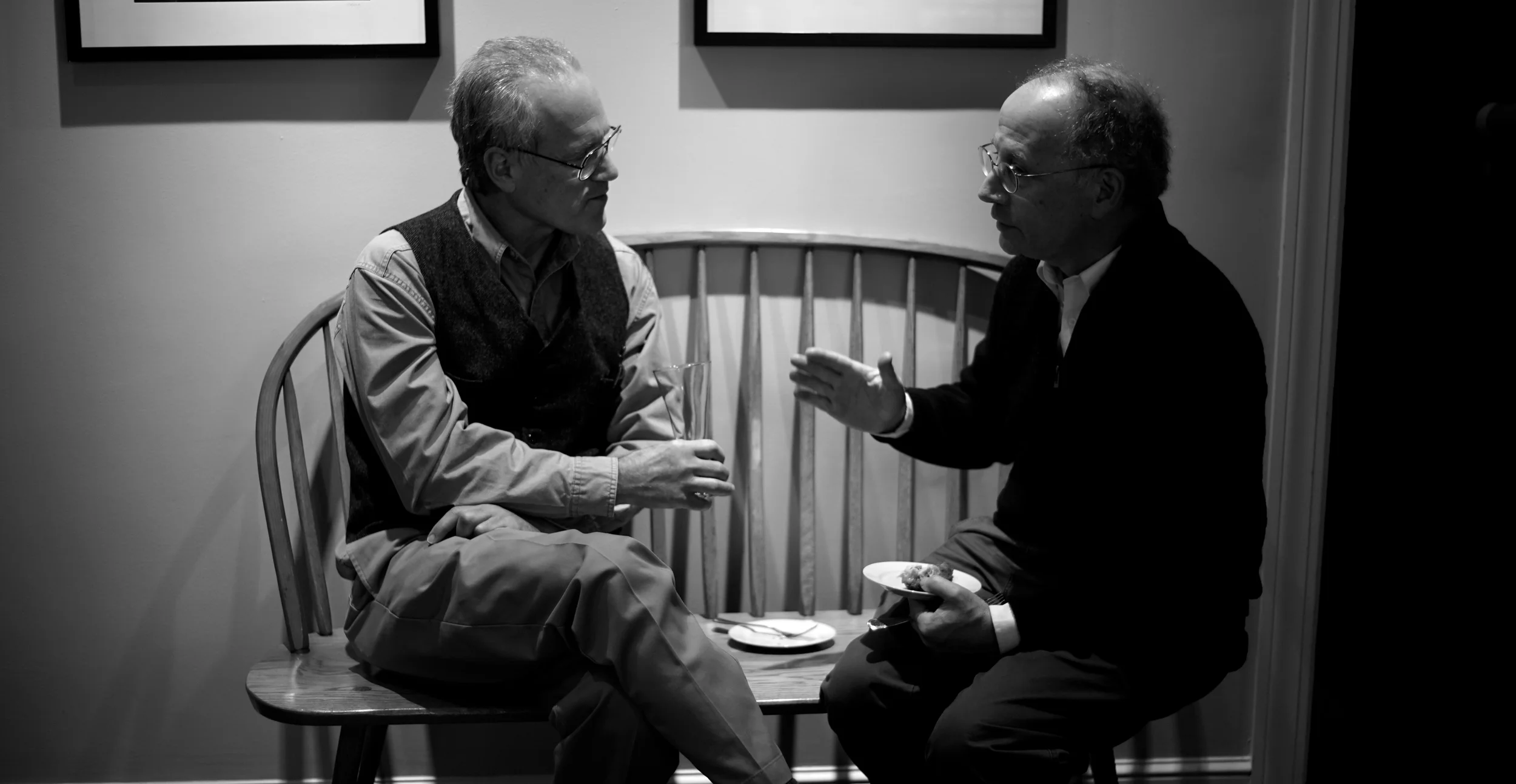
Peter Korn and Steve Durning
During his book talk Peter shared many ideas that have shaped his craft not only in the studio but as a citizen of the larger world. His insight into understanding the underlying beliefs and values that shape his work as a furniture maker and craftsman are in essence the same values that drive his desire to live a good life. What I enjoyed most about Peter's visit was the opportunity to discuss with him the journey he has been on in creating his school in Maine and the role that non-profits play in our modern society. Peter's vision to create a school that can educate and train a new generation of craftsman resonates with me on many levels. Without question, our world needs artists and creative thinkers now more than ever before. I have often said that art and creative thinking are essential for making the world a more beautiful, mindful and tolerant place.
“Every man-made thing, be it a chair, a text, or a school, is thought made substance. It is the expression of someone’s, or some groups, ideas and beliefs. The two-hundred year old double hung, six light sash window in the wall opposite my desk, out of which I am looking at this moment embodies ideas about houses and how we should live in them, tools, technologies, standards of craftsmanship, nature and much else. It is a material manifestation of the collective consciousness of its time and place channeled through the individuals who commissioned and made it.”
As the leader of an arts school, I found the section of Peter's book where he discusses "Creative Practice within an Institution" most engaging and relevant to our work at Walnut Hill. He contends that a school community is comprised by the individuals who are willing to commit the time and effort needed to advance the mission without personal recompense. It makes me wonder how we make time and space available for the people in our school to live a meaningful, creative and fulfilling life. I agree that a successful institution not only embodies the shared values of those who are a part of it, but that it is equally structured in such a way that it invites people to pick up the "harness and pull" and that this personal, creative engagement can have a substantial effect on behalf of the organization.
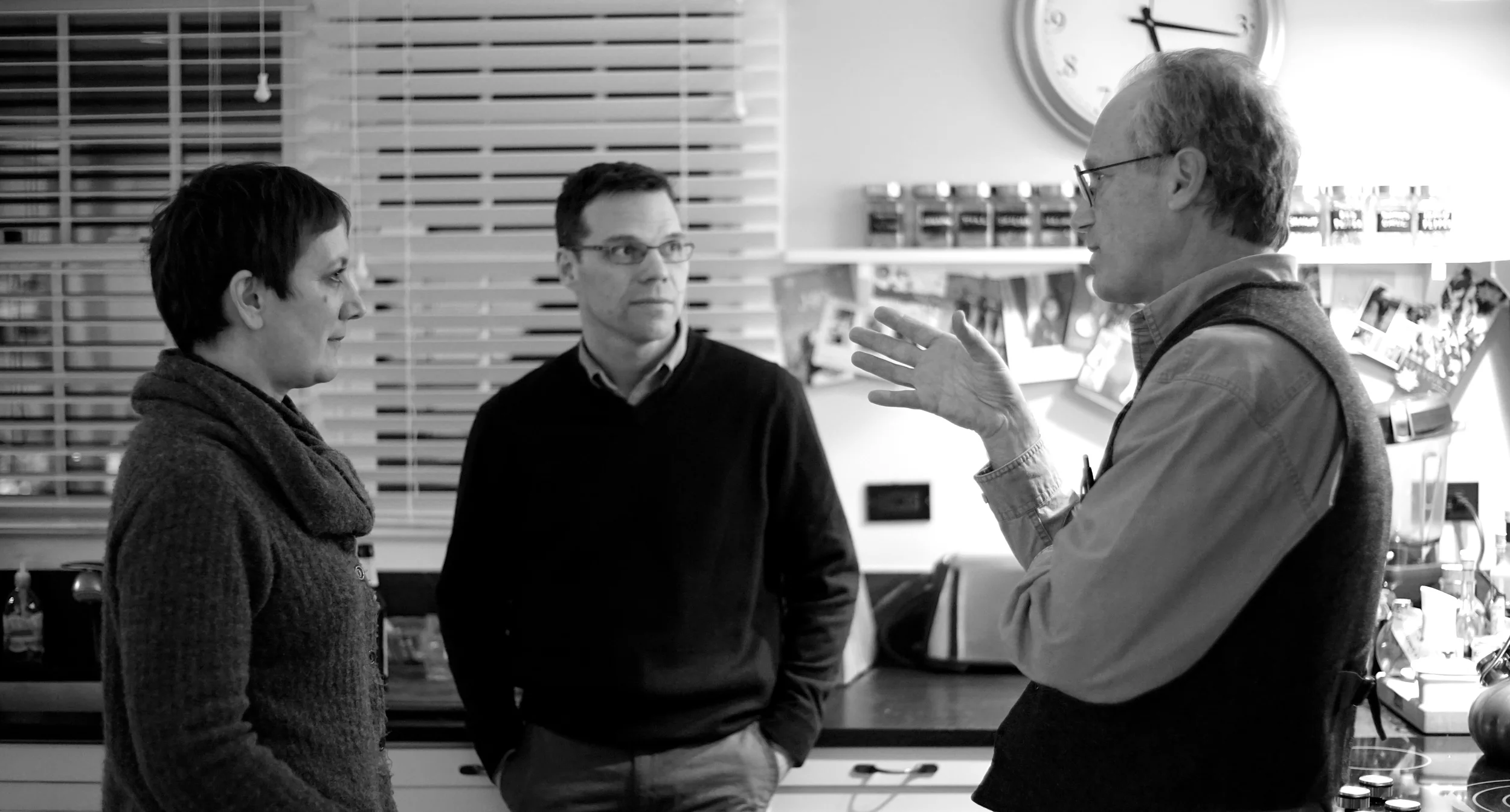
“Creative practice simply makes our lives richer in meaning and fulfillment than they might otherwise. For some of us, creative practice may be among the few slender threads that bind our lives together at all. ”
Ultimately, Peter's visit was a wonderful way to welcome back our faculty and staff. From a personal perspective, it was deeply rewarding to have him on campus and share the opportunity to discuss art, creativity, non-profit leadership and living a fulfilling, good life. I urge anyone who seeks to live a creative life to pick up a copy of Peter's book. It reaffirmed my desire to make time in each and every day to devote to some creative pursuit and while there is no quick fix to creative work, no "five minute workout" the discipline and effort will, in the end be rewarding regardless of what product the process has given you. I will leave you with a final quote that life is a process of continual becoming. I couldn't agree more.