Through My Lens: A Divided Nation, Indivisible?
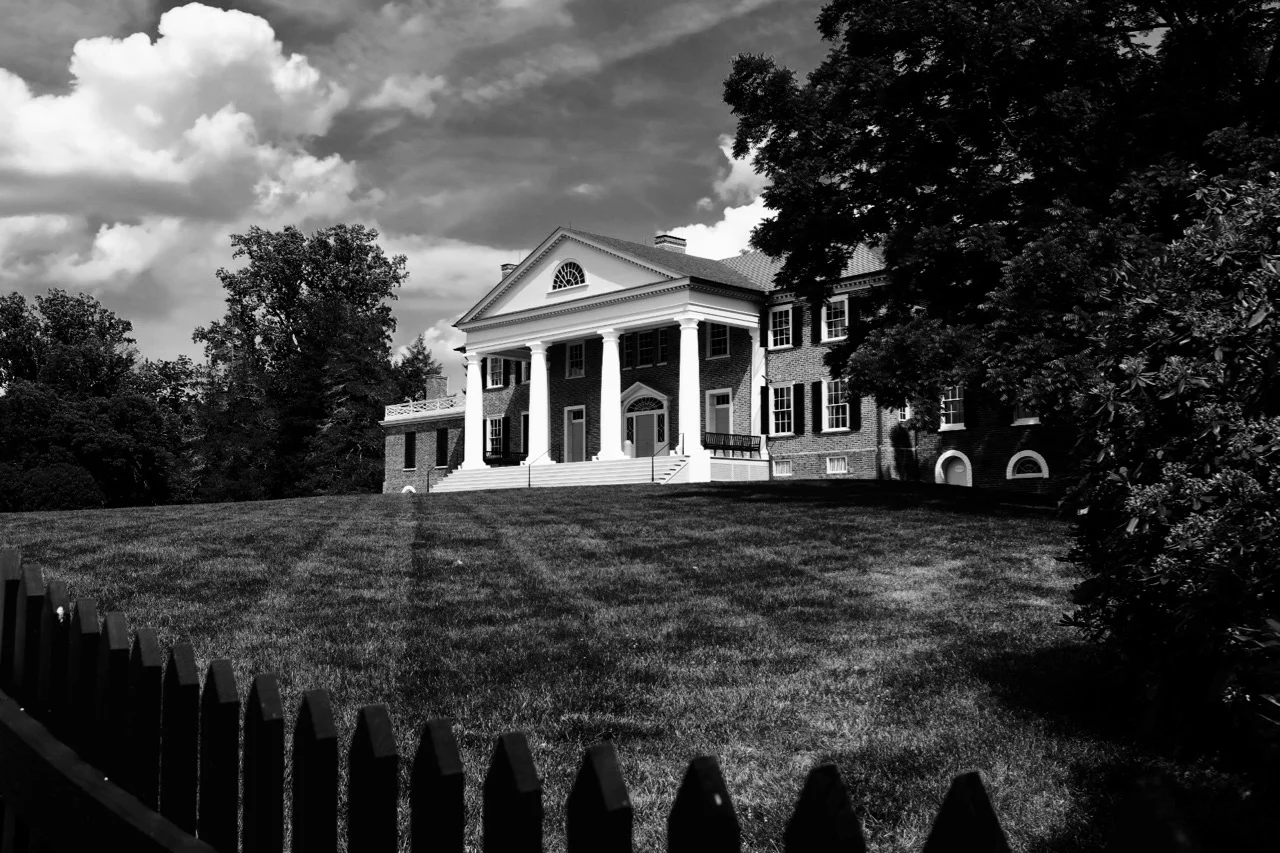
James Madison's Montpelier
This past June I was fortunate to visit Charlottesville, Virginia, a place of natural beauty, deep historical significance, and most recently the epicenter of violence. If you have never driven through Virginia, you are missing a big part of what makes this place so powerful and meaningful to visit. As a part of my short trip, a good friend and board member invited us to visit historic Montpelier, the home of James and Dolley Madison. James Madison, figures prominently in US history as a former president and the father of the American Constitution.
“James Madison, Founding Father, architect of the Constitution, and fourth President of the United States, was born on March 16, 1751 at his mother’s home in Port Conway, Virginia, on the Rappahannock River near Fredericksburg. His parents—Nelly Conway Madison and James Madison, Sr.—couldn’t have known that their eldest child would have a major role in shaping the collection of British colonies they currently inhabited into a nation that would ultimately become a global superpower.”
It was powerful and difficult to reconcile the contrasting messages of this historic place. In one instance, your feet are standing in the place where American democracy was born, all the while against a landscape that consisted of over 100 slaves as its foundation.
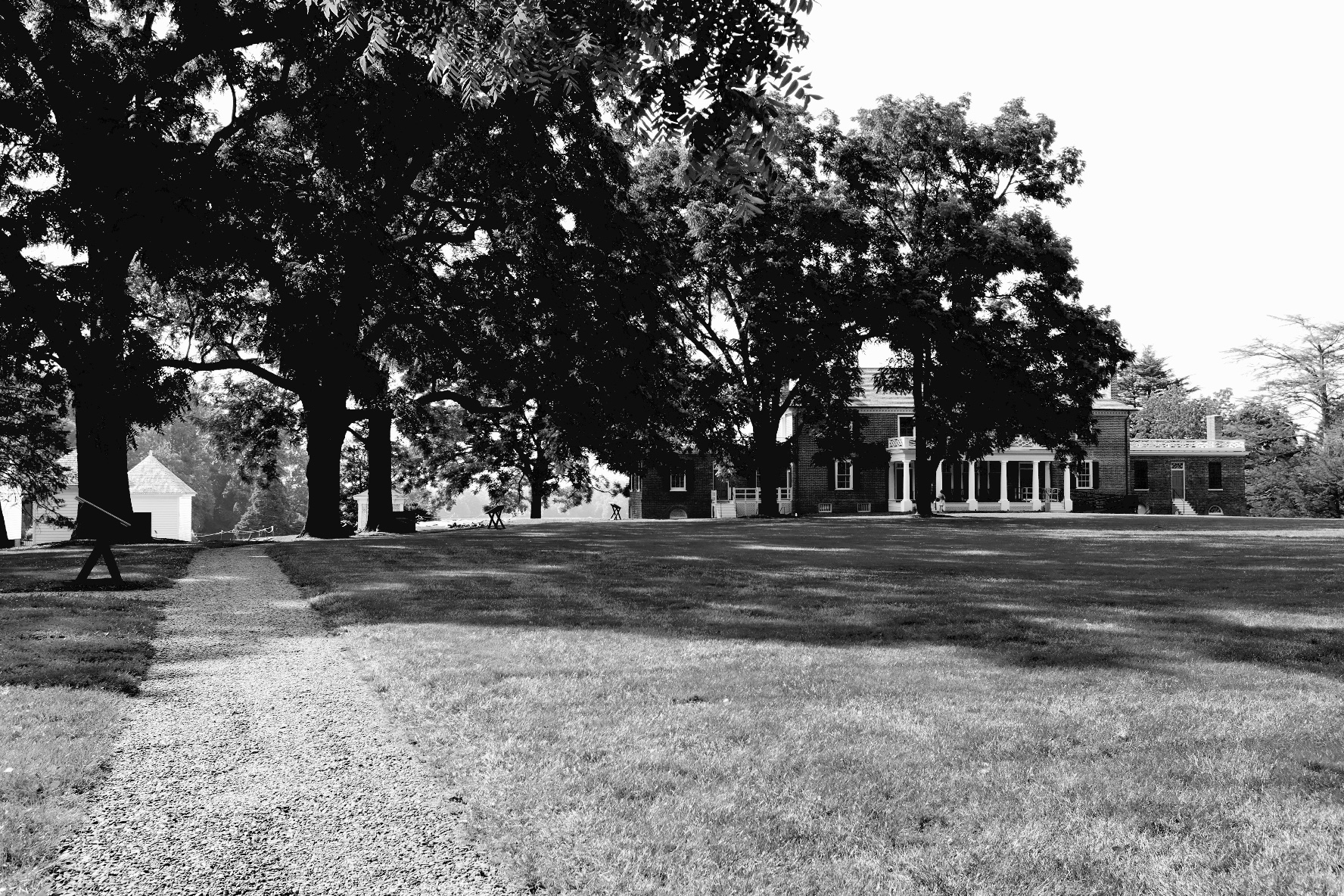
Rear side of Montpelier
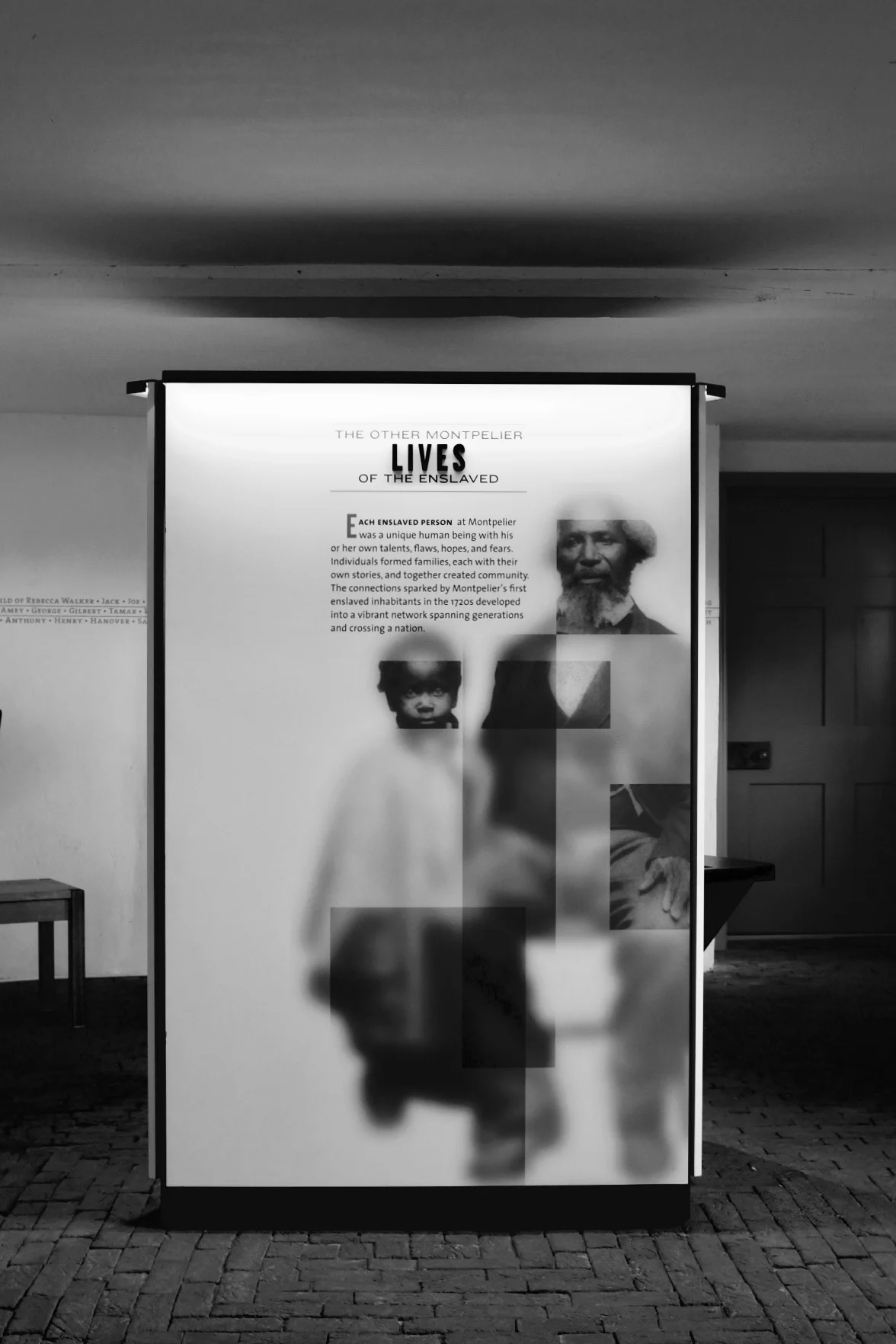
It so happens that our visit coincided with the opening of a new exhibit dedicated to honoring and sharing the story of the slaves who lived and died on these grounds and across countless others in the South during this time in our history. The Mere Distinction of Colour tells a more complete story about the descendants of this community.
A few weeks ago, I was invited to The Center for Arts in Natick where I participated in a panel discussion about the Vice news coverage of the Charlottesville attacks. As we watched the Vice reporting from Charlottesville, I took the opportunity to free write and journal my thoughts, as this was the fourth time I had watched the clip. It just so happens that we watched this same clip during our faculty and staff diversity training in late August. The conversation was challenging and difficult but it was important for us to be prepared to welcome students back having understood the questions or issues that may be on their minds.
As a nation, we are as torn and divided as we have ever been, maybe even as divided as in the years leading up to the Civil War. Are we to say that a certain sculpture is merely a piece of art? Shouldn’t art have a responsibility? Should it serve as a reminder? I don’t think so. I am not trying to revise history, but I question how we interpret freedom of speech. I was struck by the raw, intense anger playing out in a slow moving, slow motion picture of bodies laying on the ground. Images hitting me like a car. Shock. Numb. Disbelief. This is our history. "This has always been our history. This has always been the history of Charlottesville."
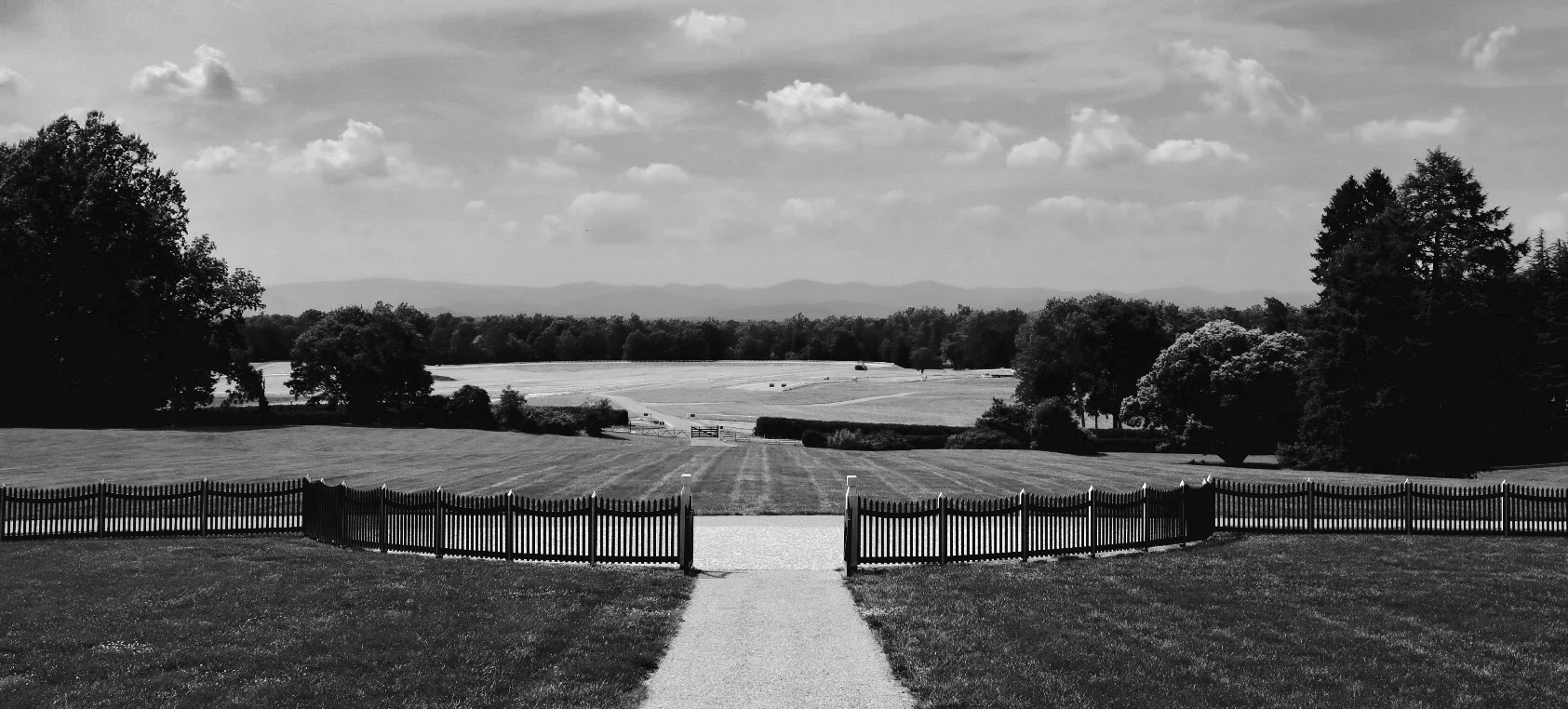
View from front porch
It became clear that the experience I had visiting Montpelier was in many ways a foundational step towards better understanding of why the events in Charlottesville took place, and why our country's history is so deeply rooted in bigotry and racism. Meanwhile, as I walked around the grounds where our forefathers gathered to draft the roadmap for western democracy, the legacy of this history continues to present challenges given the individual stories (and histories) of the enslaved people who called Montpelier home. Our conversation in downtown Natick was a start towards opening a dialogue to create better opportunities for people to discuss and talk about difficult and important issues. Our country has forgotten how to talk to one another and, in many ways, we have lost the ability to have meaningful and challenging dialogue between and among each other.
If we are to bridge the issues that divide us, it must come as a a result of recognizing that there is a limit to free speech. That in order to have an open exchange of ideas, the starting point must be one of mutual respect. When that basic, foundational element is missing, free speech loses its power to serve as a vehicle and catalyst for change.
I encourage anyone visiting Charlottesville to make a trip to Montpelier. It is a deeply profound and moving experience and the exhibits on display in the basement of the historic home are more powerful and more life affirming than the grand vistas that I experienced on these historic grounds.
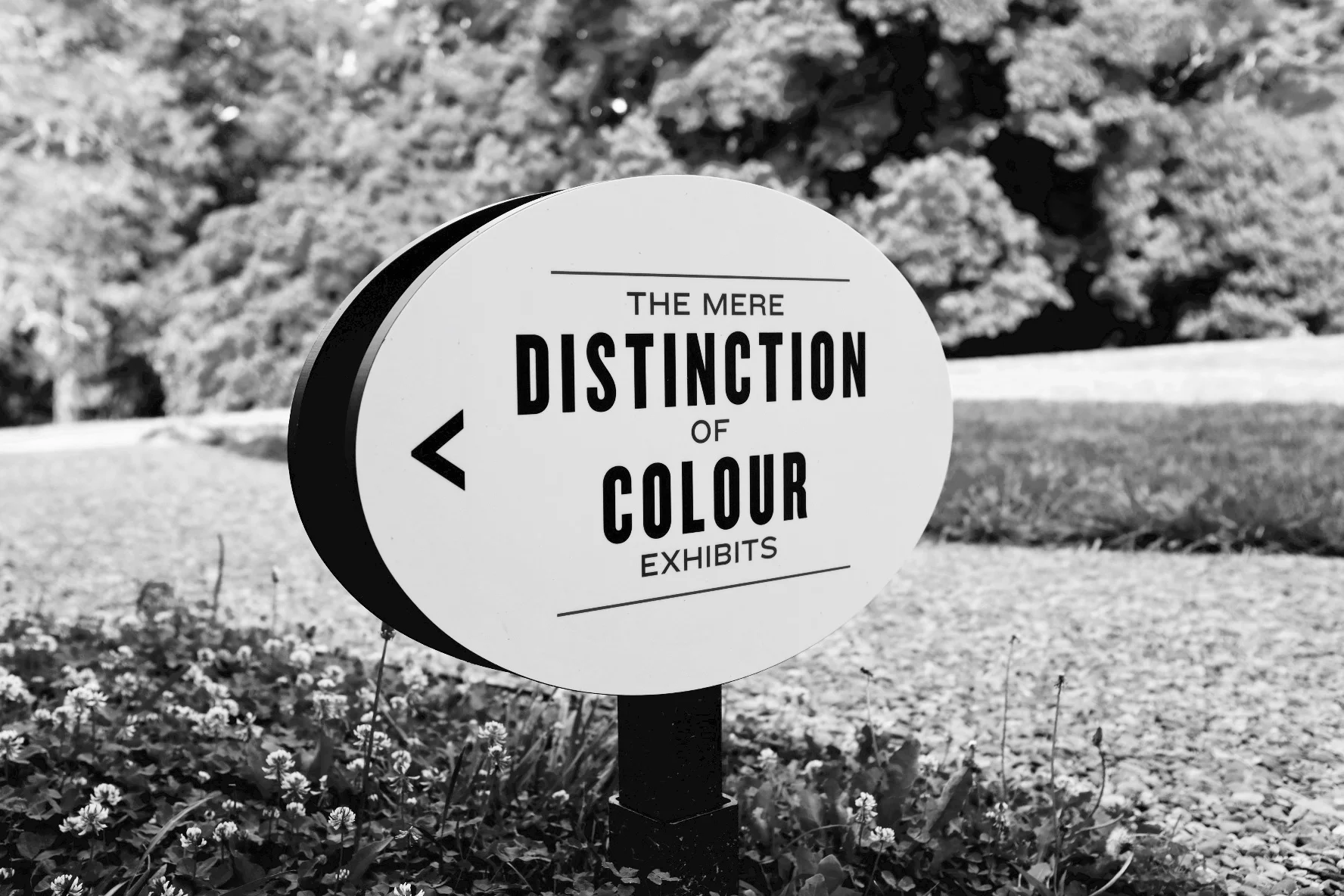
“This provocative, multimedia exhibition, offers visitors the opportunity to hear the stories of those enslaved at Montpelier told by their living descendants, and explore how the legacy of slavery impacts today’s conversations about race, identity, and human rights. Visitors will also see Montpelier’s connection to the national story of slavery – and discover the economic, ideological, and political factors that cemented the institution in the newly-created American nation and Constitution.”
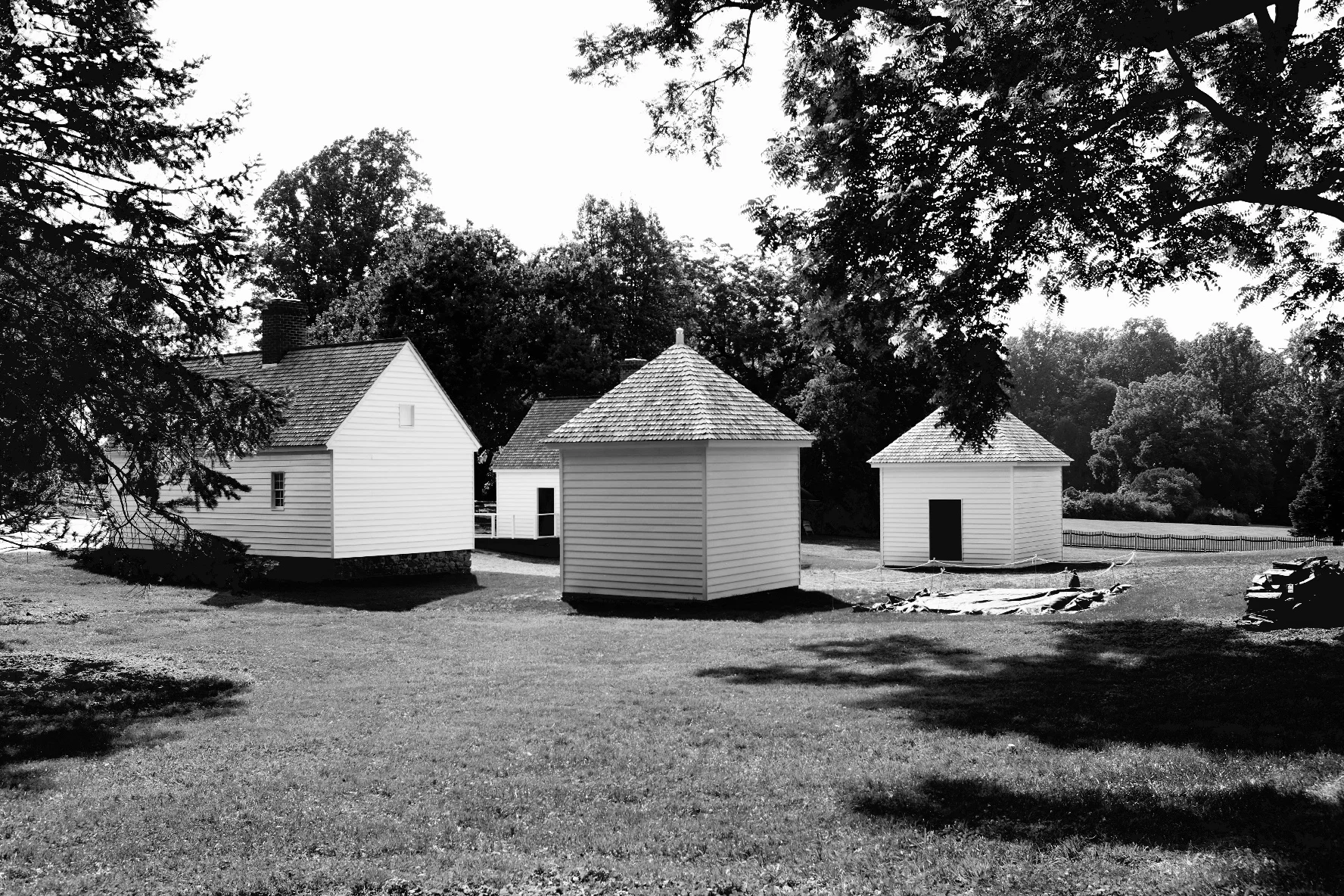
Slave quarters